








What is baiting?
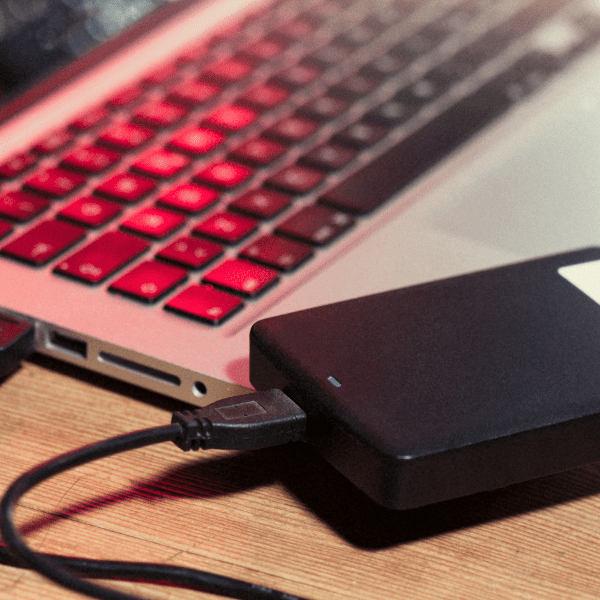
Baiting is a cybersecurity technique that involves placing an infected item, such as a USB drive, in a public place in the hope that someone will pick it up and use it on their computer. The infected item may be disguised as something useful, such as a USB drive containing photos or music, to encourage people to use it.
Once the infected device is connected to a computer, the malware on the drive spreads throughout the system and can cause damage, such as the theft of confidential information, the deletion of files, or the creation of backdoors for attackers.
Baiting is a form of cyberattack that can be difficult to detect because it appears to be a harmless object. To protect yourself against baiting, it is important not to insert objects from unknown sources into your computer and to always use antivirus and antimalware protection. It is also important not to leave valuable items, such as USB drives, in plain sight in public places.
How can you protect yourself frombaiting?
Here are a few tips to protect yourself against baiting:
- Avoid using devices from unknown sources, such as USB drives, that you are unfamiliar with or that do not come from reliable sources.
- Use up-to-date antivirus software.
- Be cautious when reading suspicious emails or messages that contain attachments or links, especially those from unknown sources or that seem suspicious.
- Back up your data regularly to avoid losing it in the event of a malware infection.
- Learn about IT security techniques to understand potential threats and take the appropriate preventive measures.
By following these tips, you can protect yourself against phishing and minimize the risks to your cybersecurity. It’s important to stay vigilant and take steps to protect your information and data.
CIOs, CISOs, DPOs, request a free demonstration of the fully automated phishing awareness solution: