









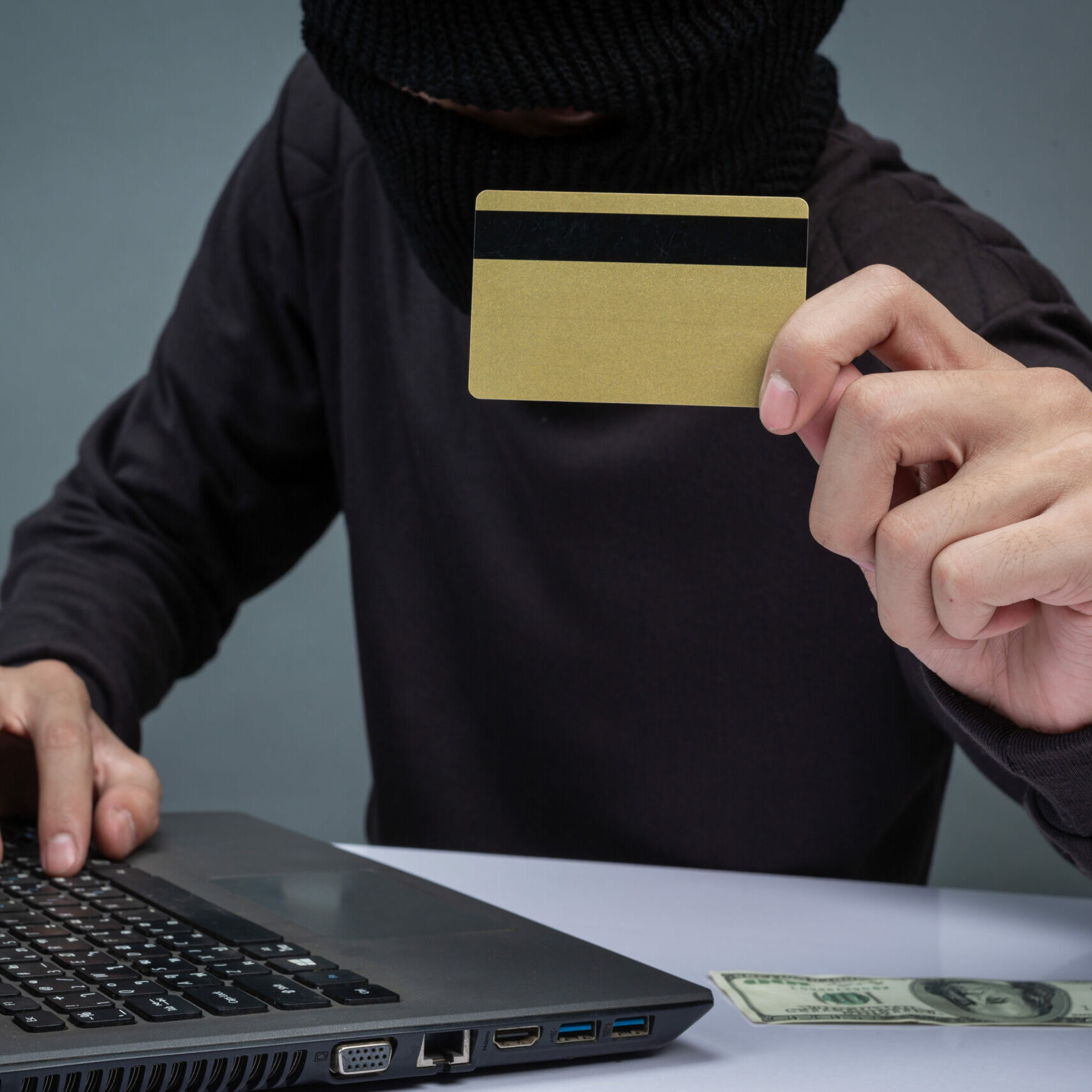
In an increasingly digital world, organizations face a constant threat: cyber scams. These attacks, which are becoming increasingly sophisticated, aim to steal sensitive data, cripple IT systems, or extort money. The banking sector, which is particularly attractive to cybercriminals, is no exception.
4 Pitfalls to Avoid in the Banking Industry
To protect themselves against these threats, organizations must remain vigilant and implement robust security measures. Here are four common pitfalls to avoid:
-
Phishing in the Banking Sector: Large-Scale Phishing
Phishing is one of the most common types of scams. Cybercriminals send fraudulent emails, impersonating a bank or a trusted organization, in an attempt to trick recipients into revealing their login credentials or other sensitive information.
-
How can you protect yourself?
-
- Raising Employee Awareness: Avant de Cliquer raises awareness among your employees and trains them to recognize phishing emails.
- Check the sender's address: Fraudulent addresses often look very similar to those of official organizations, but contain small differences.
- Do not click on the links: Links in phishing emails may redirect you to fraudulent websites designed to steal your data.
- Use security tools: Implement security solutions to filter out suspicious emails.
-
-
Social engineering attacks: playing on psychology
Social engineering involves psychologically manipulating individuals to get them to disclose confidential information. Cybercriminals may pose as technicians, coworkers, or even supervisors.
-
How can you protect yourself?
- Establish a clear security policy: Define the rules that must be followed regarding information sharing.
- Verify the identity of the person you are speaking with: Ask for official identification before sharing sensitive information.
- Do not respond to unsolicited requests: If you receive a call or email asking for confidential information, check with the relevant organization before responding.
-
Malware: Programs Designed to Cause Harm
Malware is computer software designed to infiltrate systems, steal data, damage files, or take remote control of computers.
-
How can you protect yourself?
- Install security software: Use antivirus, antispyware, and firewall software to detect and block threats.
- Update your software regularly: Updates fix vulnerabilities that could be exploited by cybercriminals.
- Make regular backups: In the event of an attack, backups allow you to restore lost data.
-
Denial-of-service attacks: crippling systems
Denial-of-service (DDoS) attacks aim to make an IT service inaccessible by flooding it with requests. Financial institutions are particularly vulnerable to this type of attack, as they must ensure that their services are available at all times.
-
How can you protect yourself?
- Build a robust infrastructure: Use powerful servers and redundant networks.
- Work with a reliable internet service provider: Choose a provider capable of handling DDoS attacks.
- Implement DDoS protection solutions: Use specialized tools to detect and mitigate attacks.
The Challenges of Cyber Scams Targeting Banks for Businesses
The consequences of a cyberattack can be disastrous for a company:
- Financial losses: Theft of funds, system restoration costs, loss of revenue.
- Damage to reputation: Data breaches can lead to a loss of customer trust.
- Legal issues: Companies may be held liable for damages caused by a cyberattack.
In conclusion
Combating cyber threats is a major challenge for businesses. By adopting best security practices and raising employee awareness, it is possible to significantly reduce risks. Prevention remains the best defense against cybercriminals.
Want to learn more? cybermalveillance.gouv.fr has some tips for you
CIOs, CISOs, DPOs, request a free demonstration of the fully automated phishing awareness solution: